4,434
Specimens
5%
Georeferenced
2018–2023
Collection years
Where the herbarium's 229 georeferenced specimens were collected: each dot is an area, and its colour how many specimens come from it.
ExploreHow many specimens were collected year by year, from 2018 to 2023.
Explore the chartsErbario Università di Bologna holds 2 subcollections: explore each on its own, or all of them together.
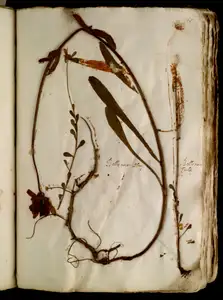
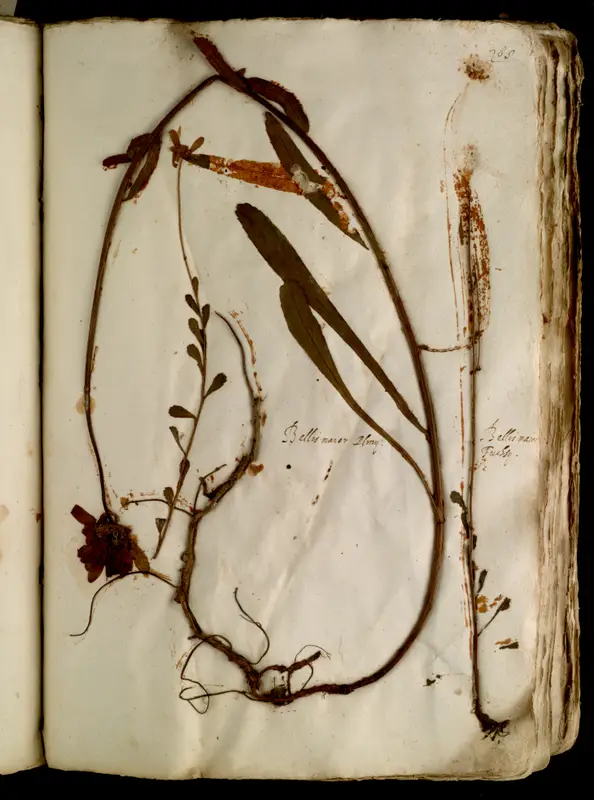
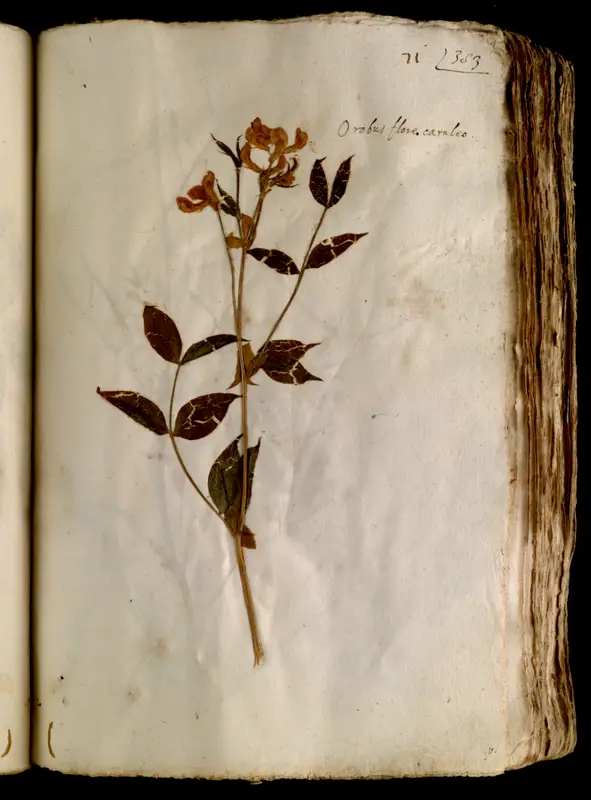
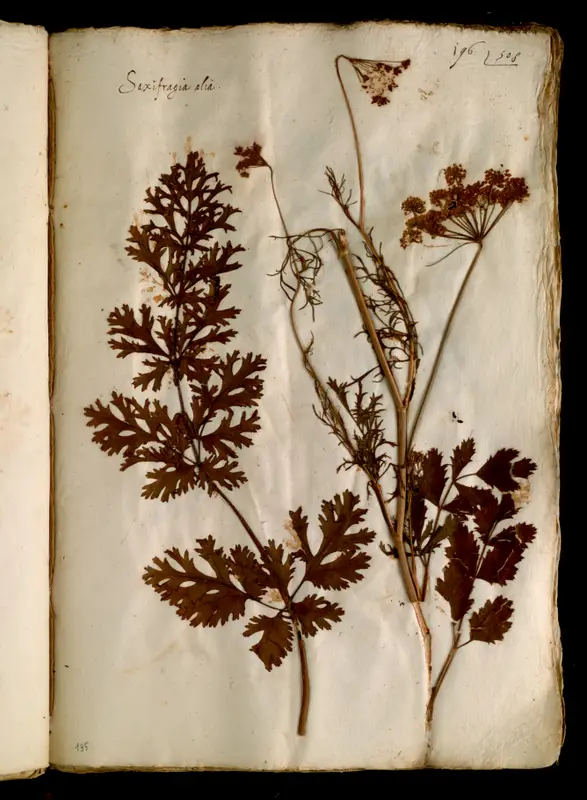
A XVI century collection of dried plants. Ulisse Aldrovandi (1522-1605), Bolognese naturalist, typifies the sixteenth-century scientist with an Aristotelian and Scholastic background but conscious that the explanation of natural phenomena is in the “great book of Nature”, not in the Classics. Aldrovandi was an acute observer of the natural world: investigating all different aspects of nature, collecting hundreds of animal and vegetal samples, writing more than 360 manuscripts on natural sciences and establishing Bologna's Botanical Garden. Among this huge production there is the Herbarium, one of the oldest to survive and, with no doubt, one of the widest-ranging of its time. The collection, probably begun in 1551 and enriched during Aldrovandi's lifetime, includes 5,000 specimens subdivided in 15 vellum-bound volumes. Each book consists of hundreds of plants glued on sheets. The specimens' arrangement doesn't follow any criterion (but the alphabetical one in the first volumes), unlike other ancient herbaria such as Andrea Cesalpino's (1519-1603). The considerable value of this collection is due to the large number of dried plants, to its ancientness and to the particular skilfulness used in composing it. The collection is now preserved at the Botanical Garden and Herbarium of the University of Bologna. In 2004 the entire collection was digitized and published online with free access, giving researchers from all over the world the opportunity to study this precious and unique collection. CLUEB Bologna captured the high-resolution digital images of each specimen in the Herbarium of Bologna; all the images were captured by Veronique Poczobut. The identification of each specimen and the localities of collection are by Adriano Soldano, who dedicated himself with devotion and passion to the study of this collection. His work is published by the Istituto Veneto di Scienze Lettere ed Arti.
4,205 specimens
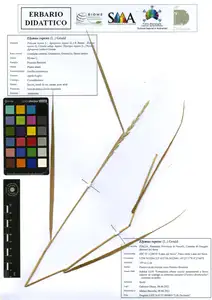
The teaching herbarium of the University of Bologna was founded in 2022 to give students attending Botany courses a tool to develop and deepen their knowledge of the plant world, starting from the correct identification of the most common species. The collection started as an initiative of the Floristic Laboratory of the Department of Biological, Geological and Environmental Sciences (BiGeA), coordinated by Prof. Juri Nascimbene within the BIOME-Lab, with the support of the University Museum System (Sistema Museale d'Ateneo) and of the Piano Lauree Scientifiche (PLS) – Natural and Environmental Sciences project. The specimens are grouped by habitat, to make the link between the species and the environment they live in easier to see. Each specimen has two labels: one on the species it represents (taxonomy, biogeographic distribution, life form, threat status, habitat), the other on the specimen itself (date and georeferenced locality of collection, collector and identifier, features of the habitat where it was collected). The collection, conceived as an open work that keeps growing, gathers specimens from several projects in which BiGeA researchers take part, such as LIFE-Drylands (www.lifedrylands.eu), the source of many of the specimens of dry-grassland flora. In these cases the project's logo also appears on the herbarium sheet. The growth of the collection is itself a teaching activity: students take part directly, identifying, preparing and digitizing specimens during their internships and theses.
229 specimens
2018 to 2023
The herbaria of the University of Bologna (BOLO): Ulisse Aldrovandi's sixteenth-century herbarium, Giuseppe Raddi's plants from Brazil and Egypt, and the teaching herbarium.