A collection of Erbario Università di Bologna
4,205
Specimens
0%
Georeferenced
–
Collection years
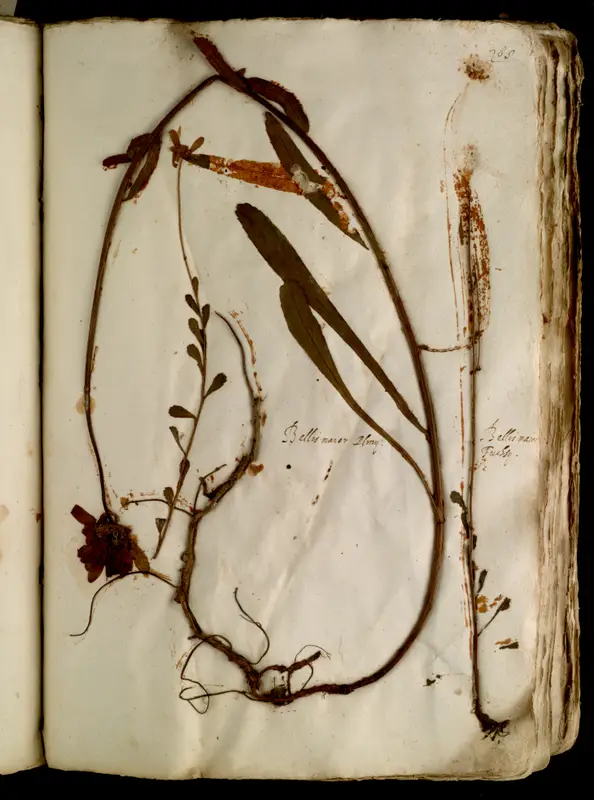
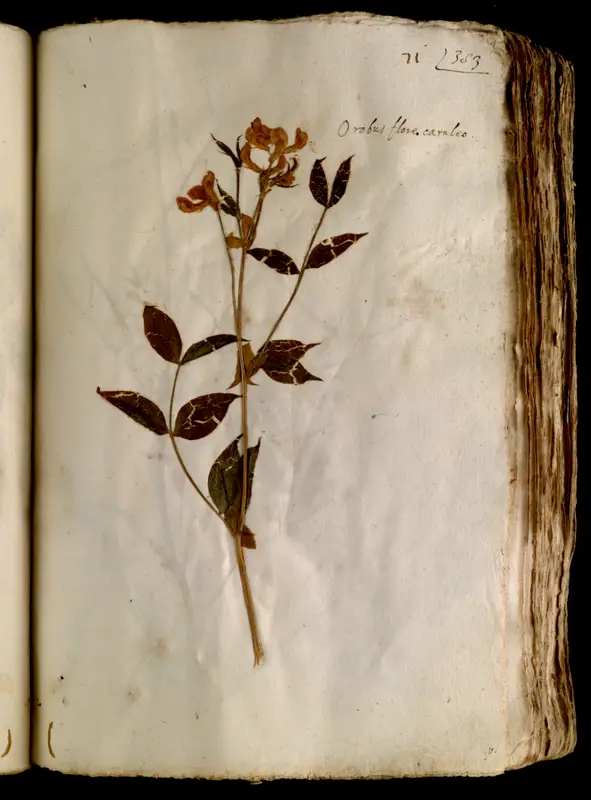
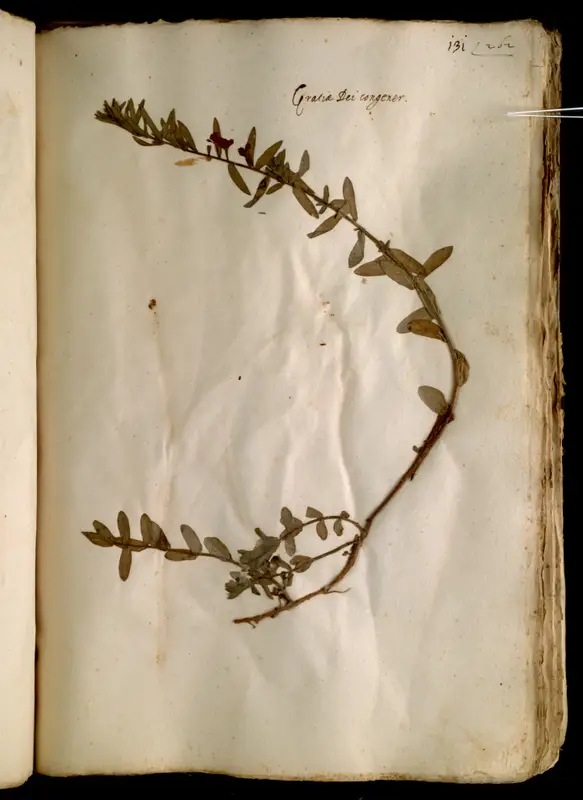
A XVI century collection of dried plants. Ulisse Aldrovandi (1522-1605), Bolognese naturalist, typifies the sixteenth-century scientist with an Aristotelian and Scholastic background but conscious that the explanation of natural phenomena is in the “great book of Nature”, not in the Classics. Aldrovandi was an acute observer of the natural world: investigating all different aspects of nature, collecting hundreds of animal and vegetal samples, writing more than 360 manuscripts on natural sciences and establishing Bologna's Botanical Garden. Among this huge production there is the Herbarium, one of the oldest to survive and, with no doubt, one of the widest-ranging of its time. The collection, probably begun in 1551 and enriched during Aldrovandi's lifetime, includes 5,000 specimens subdivided in 15 vellum-bound volumes. Each book consists of hundreds of plants glued on sheets. The specimens' arrangement doesn't follow any criterion (but the alphabetical one in the first volumes), unlike other ancient herbaria such as Andrea Cesalpino's (1519-1603). The considerable value of this collection is due to the large number of dried plants, to its ancientness and to the particular skilfulness used in composing it. The collection is now preserved at the Botanical Garden and Herbarium of the University of Bologna. In 2004 the entire collection was digitized and published online with free access, giving researchers from all over the world the opportunity to study this precious and unique collection. CLUEB Bologna captured the high-resolution digital images of each specimen in the Herbarium of Bologna; all the images were captured by Veronique Poczobut. The identification of each specimen and the localities of collection are by Adriano Soldano, who dedicated himself with devotion and passion to the study of this collection. His work is published by the Istituto Veneto di Scienze Lettere ed Arti.