A collection of Erbario Università di Bologna
229
Specimens
100%
Georeferenced
2018–2023
Collection years
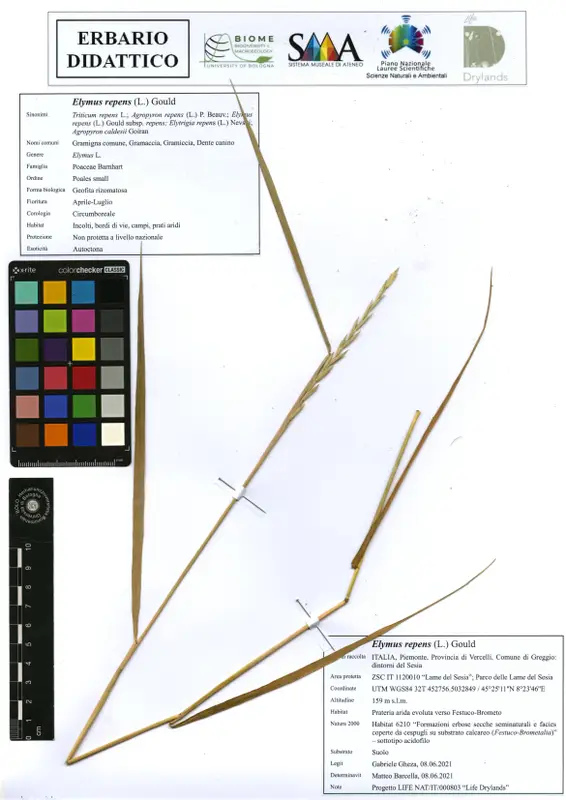
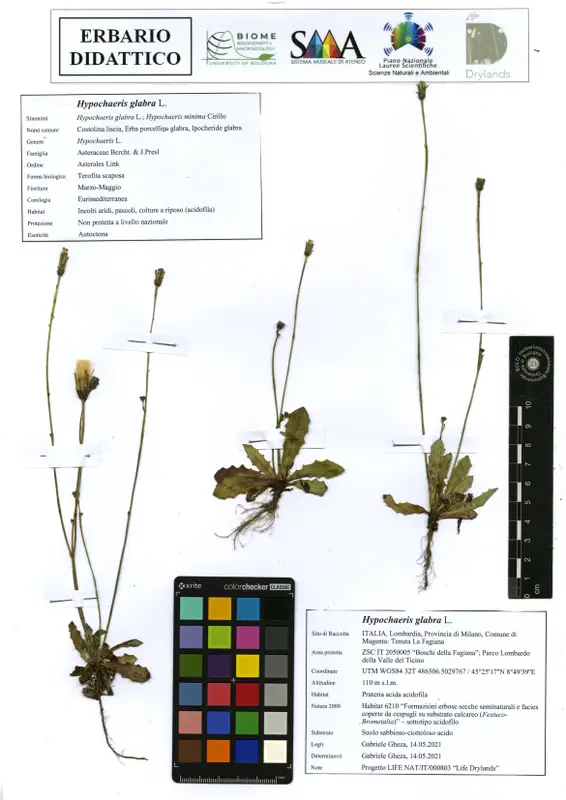
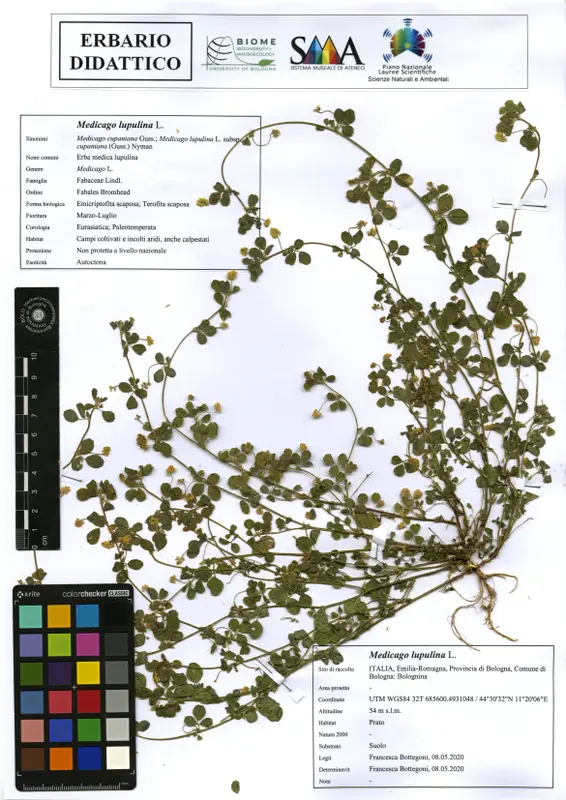
The teaching herbarium of the University of Bologna was founded in 2022 to give students attending Botany courses a tool to develop and deepen their knowledge of the plant world, starting from the correct identification of the most common species. The collection started as an initiative of the Floristic Laboratory of the Department of Biological, Geological and Environmental Sciences (BiGeA), coordinated by Prof. Juri Nascimbene within the BIOME-Lab, with the support of the University Museum System (Sistema Museale d'Ateneo) and of the Piano Lauree Scientifiche (PLS) – Natural and Environmental Sciences project. The specimens are grouped by habitat, to make the link between the species and the environment they live in easier to see. Each specimen has two labels: one on the species it represents (taxonomy, biogeographic distribution, life form, threat status, habitat), the other on the specimen itself (date and georeferenced locality of collection, collector and identifier, features of the habitat where it was collected). The collection, conceived as an open work that keeps growing, gathers specimens from several projects in which BiGeA researchers take part, such as LIFE-Drylands (www.lifedrylands.eu), the source of many of the specimens of dry-grassland flora. In these cases the project's logo also appears on the herbarium sheet. The growth of the collection is itself a teaching activity: students take part directly, identifying, preparing and digitizing specimens during their internships and theses.